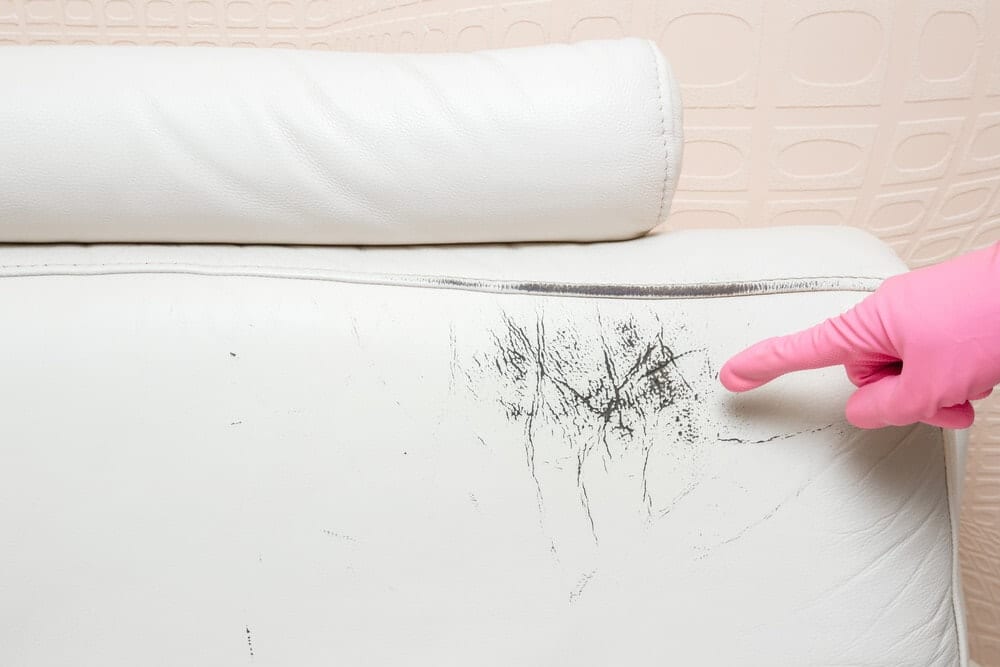
Leather is durable, beautiful—and surprisingly forgiving if you act quickly. The key to successfully how to remove stain leather is matching the treatment to the stain type. For ink, a cotton swab with rubbing alcohol usually works; for grease, a sprinkle of cornstarch left overnight will pull the oil out. Never use harsh chemical cleaners or excessive water, as these are leather’s true enemies and can cause permanent cracking or discoloration.
Here’s exactly how to handle the most common leather stains, plus the golden rules that apply to every situation.
First: Identify Your Leather Type
The cleaning method that works on one type of leather can damage another.
| Leather Type | Characteristics | Water Safe? |
|---|---|---|
| Finished / protected leather | Smooth, uniform, has a coating | Generally yes – most common in furniture |
| Aniline leather | Very soft, natural grain visible, absorbs liquids | No – water stains easily |
| Nubuck | Velvety texture (buffed grain side) | No – very delicate |
| Suede | Soft, fuzzy, brushed underside | No – special suede cleaners only |
| Patent leather | High gloss, lacquered finish | Yes |
When in doubt, test any cleaner on a hidden area first and wait 30 minutes to see the reaction.
Stain-by-Stain Removal Methods
| Stain Type | Best Treatment | What to Avoid |
|---|---|---|
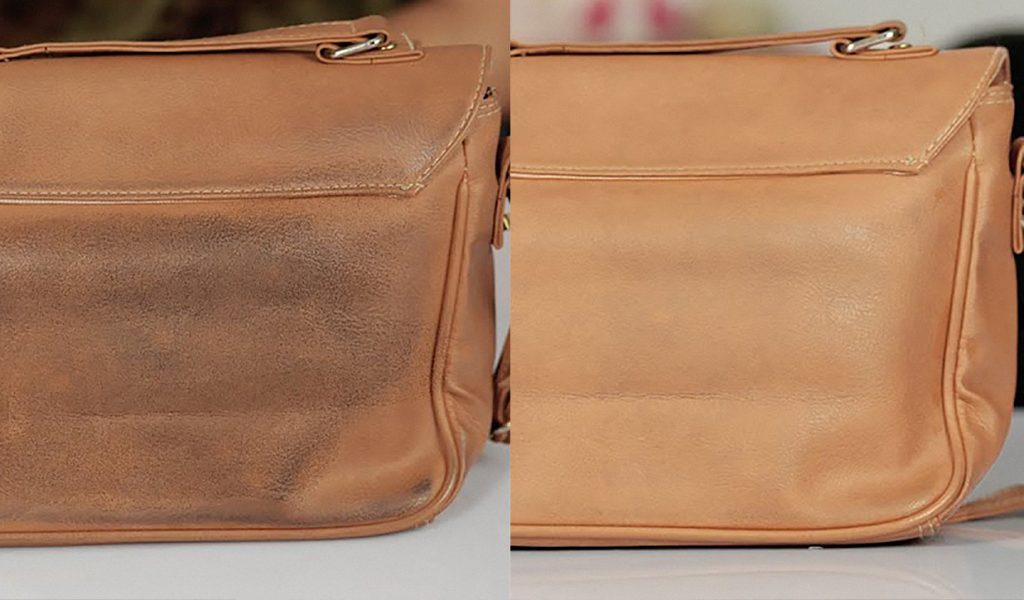
| Water stain | Dampen entire panel evenly; dry naturally | Don’t blot just the stain – creates rings |
| Ink (fresh) | Isopropyl alcohol on cotton swab | Never rub – dab only |
| Ink (dried) | Commercial ink remover (Leather Honey, etc.) | Acetone – destroys finish |
| Grease/oil | Cornstarch or baking soda; leave overnight | Water – spreads the stain |
| Food / beverage | Damp cloth; mild soap solution | Dish soap undiluted |
| Mold / mildew | Equal parts rubbing alcohol + water | Bleach – destroys leather |
| Blood | Cold water only (never warm) | Hot water – sets the stain |
| Ballpoint pen | Rubbing alcohol or hairspray | Excessive soaking |
| Dark denim transfer | Leather cleaner + conditioner | Abrasive scrubbing |
| Nail polish | Non-acetone nail polish remover | Acetone remover |
Step-by-Step: The General Leather Stain Method
Step 1: Act Fast
Fresh stains are dramatically easier to remove than dried ones. Blot (don’t rub) excess liquid immediately with a clean, dry cloth.
Step 2: Identify the Stain
Determine what caused it – the treatment differs significantly by stain type.
Step 3: Test First
Apply your chosen cleaner to a hidden spot (under a cushion, on the back). Wait 10-15 minutes and check for discoloration or damage.
Step 4: Apply Gently
Use minimal product. Apply to a cloth first, then to the leather – never pour cleaner directly onto leather.
Step 5: Dab, Don’t Rub
Rubbing spreads stains and damages the leather surface. Always use a dabbing or blotting motion.
Step 6: Dry Naturally
Never use heat to dry leather (no hairdryer, no heater). Let it air dry at room temperature.
Step 7: Condition After
Cleaning strips natural oils from leather. After any cleaning, apply a leather conditioner (Leather Honey, Lexol, or similar) to restore suppleness and protect the surface.
For Grease and Oil Stains
This deserves special attention because the instinct to wipe or wet-clean actually makes it worse.
- Sprinkle a generous amount of cornstarch or talcum powder directly on the stain
- Leave it for 4-8 hours or overnight – it absorbs the oil
- Brush away the powder gently with a soft brush
- Repeat if needed
- Follow with a light application of leather conditioner
For Ink Stains
Ink on leather causes immediate panic – but if caught early, it’s very manageable.
- Dip a cotton swab in isopropyl rubbing alcohol (70%)
- Dab gently at the ink – don’t scrub, don’t wipe in circles
- Work from the outside edge of the stain inward to avoid spreading
- Use a fresh swab frequently
- Allow to dry; condition afterward
For older or set ink stains, commercial leather ink removers work better than DIY methods.
What Never to Use on Leather
- Bleach – destroys color and structure
- Acetone (nail polish remover) – strips finish and dyes
- Dish soap undiluted – too harsh; strips natural oils
- Baby wipes with alcohol – many contain chemicals that damage leather over time
- Excessive water – can cause warping, watermarks, and mold
The Bottom Line
Most leather stains respond well to treatment – especially when addressed quickly. The combination of the right cleaner + gentle technique + conditioning afterward will handle the majority of situations. When facing a very valuable or antique piece, always consult a professional leather restorer rather than risk irreversible damage.