Few experiences test your footwear quite like a full day exploring an old European city on foot. Cobblestones polished smooth by centuries of foot traffic can be unforgiving on ankles and arches alike. Picking the right pair of shoes before you go matters more than almost any other packing decision you will make.
What Makes Cobblestones So Tough on Feet
Cobblestones present a specific kind of challenge. Many are rounded on top. Most are set unevenly. Almost all turn slick when wet. Heels can wedge between gaps. Toes can catch awkwardly on raised edges. Even short walks can leave knees and lower backs feeling the strain by mid-afternoon.
The stones themselves vary wildly from place to place. Some are smooth river rocks set in tight patterns. Others are quarried granite cut into rough cubes. A few cities use slick marble that becomes treacherous after a quick rain. Your shoes need to handle all of these conditions without slowing you down.
Key Features to Look For
A good cobblestone shoe needs a combination of qualities you might not get from your regular walking shoe back home. Start with a thick, cushioned sole that absorbs shock without being so chunky that it catches on uneven stones. Look for a rubber outsole with multidirectional tread that grips wet surfaces. Your shoe should also have a supportive arch and a stable heel cup to keep your foot from sliding forward on downhill stretches.
A snug but not tight fit matters tremendously. Your toes need a little room without your foot swimming inside the shoe. Lightweight construction helps too, since fatigue compounds quickly over miles of walking on hard surfaces.
Categories of Shoes That Work Well
Lightweight Hiking Shoes
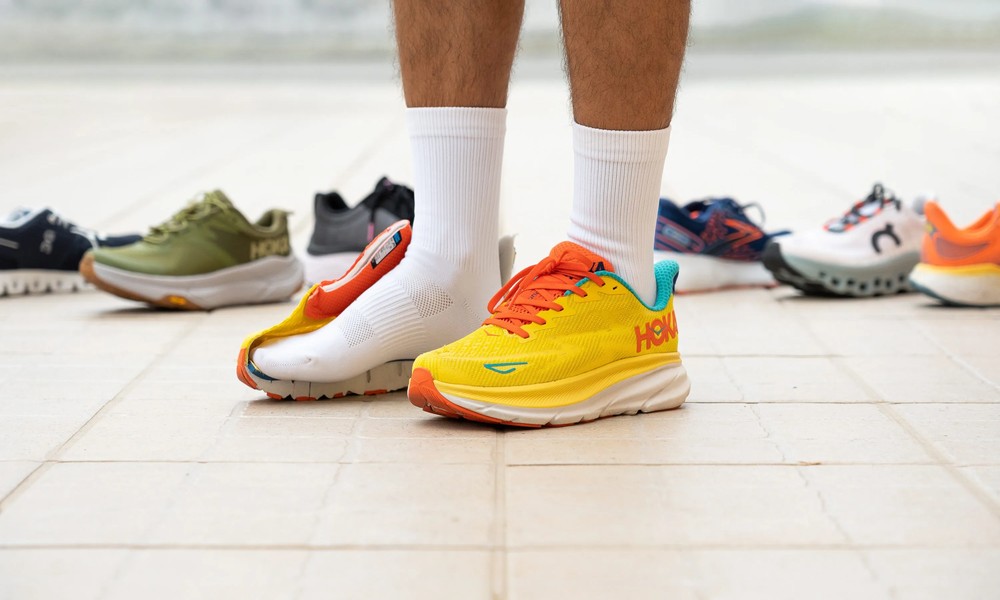
Modern lightweight hikers from brands like Merrell or Hoka have become favorites of well-traveled walkers. They offer the cushioning you need on uneven surfaces without the bulk of traditional trail boots. Many models look subtle enough to wear into a casual restaurant after a long day of sightseeing.
Cushioned Walking Sneakers
A well-built walking sneaker from brands like New Balance or Brooks works beautifully for cobblestone cities. Look for models marketed for stability or motion control, even if you don’t normally need that support back home. The extra structure helps on uneven surfaces where your foot wants to twist or roll.
Slip-Resistant Leather Walkers
Brands like Ecco or Mephisto specialize in shoes that look nice enough for dinner but perform like athletic shoes on long urban walks. These are a smart choice if you want one pair to handle daytime sightseeing as well as evening dining ashore.
Closed-Toe Sport Sandals
For summer travel, a closed-toe sport sandal from Keen or Teva can be surprisingly effective. They breathe well in heat. They dry quickly if you get caught in a downpour. And they offer enough sole structure for most cobblestones.
Why Port Cities Test Your Shoes Especially Hard
Anyone who has spent time on European cruises knows that shore excursion days can stretch six to ten miles of walking before lunch. Many of the most popular ports send passengers directly onto cobblestone surfaces from the moment they step off the gangway. Dubrovnik’s marble lanes and Lisbon’s tiled sidewalks can punish even quality footwear in a single afternoon. Add a typical itinerary of climbing to a hilltop fortress or wandering an old town, and you will feel every stone underfoot by evening.
Cruise schedules also tend to compress sightseeing into tight windows. You may need to walk briskly between sights to make it back to the ship on time. The right shoe lets you move at that pace without sacrificing comfort.
Breaking Shoes In Before You Travel
Wear new shoes for at least two weeks before departure. Take them on errands. Try them on longer weekend walks. Wear them with the same socks you plan to pack. Any pressure point or blister risk should reveal itself well before you board the plane. A shoe that feels almost right at the store can become unbearable after three miles on stone.
Socks Matter More Than You Think
A great shoe paired with a cheap cotton sock is still a recipe for blisters. Merino wool socks with a small synthetic blend keep feet drier than cotton. They run cooler in warm weather. They also stay warm enough on cool mornings. Pack at least four pairs and rotate them through the trip.
Packing Strategy for Footwear
Bring two pairs at minimum. One pair is your primary walking shoe. The second serves as both a backup for rainy days and a slightly dressier option for evenings.
If your trip includes a wide range of activities, a third pair like a sandal or a deck shoe can be worth the suitcase space. Stuff each pair with socks to save room. Place shoes in fabric bags to keep dirt off the rest of your clothing.
What to Avoid
Skip brand-new shoes you haven’t tested. Skip flat ballet flats or thin-soled fashion sneakers without arch support. Skip heels of any height on a cobblestone day. Even a small block heel can wedge into a gap and lead to a twisted ankle. Leave the fashionable but unproven shoes at home in favor of a tested pair you already trust.
The Investment Question
Quality walking shoes aren’t cheap. Expect to spend between $100 and $200 for a pair that will hold up over years of travel. A bargain pair that gives you blisters on day two of a ten-day trip is far more expensive in the end. Think of it as preventive medicine for your feet and for your enjoyment of the trip itself.
A Last Tip From Experienced Travelers
Pack a small blister kit. Even with perfect shoes and broken-in socks, an unexpected hot spot can develop after a particularly long day. Adhesive blister cushions and moleskin patches can save the rest of your trip if trouble develops mid-walk. A small roll of athletic tape is also worth tucking into your day bag.
Walk First, Worry Later
The right shoes won’t just protect your feet. They free your attention for what you came to see in the first place. When you stop thinking about sore arches or slippery stones, you’re free to look up at the architecture and simply enjoy the rhythm of walking through a place that’s been welcoming visitors for centuries. That is the real reward of choosing well before you leave home.