
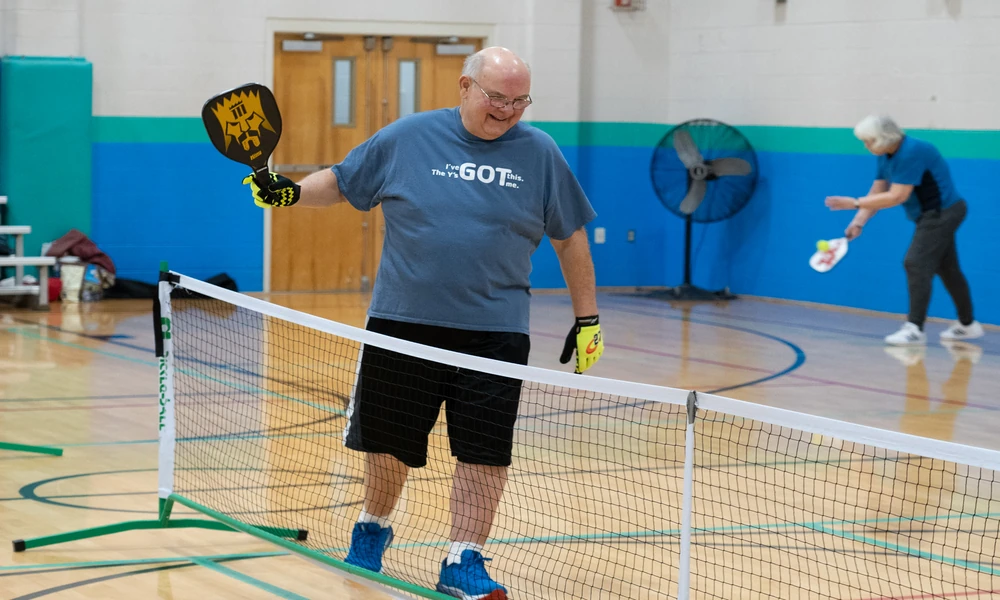
Pickleball has a knack for transforming quiet parks into energetic hubs, where laughter and the clack of paddles echo long after sunset. What began as a casual backyard pastime has swept across North America, landing squarely in cities like Montreal and igniting a new wave of social fitness.
The Rise of Pickleball: From a Backyard Game to a Social Phenomenon
The story of pickleball starts with a simple premise: bring friends and families together for some lighthearted competition. Invented in the 1960s, its early days were marked by makeshift courts and a blend of tennis, badminton, and ping pong rules. The sport’s quirky name and easy-to-learn format helped it break through the noise, first among retirees in the U.S., then quickly expanding to younger crowds.
How Did Pickleball Reach Montreal’s West-End?
Montreal is known for its vibrant, active communities, so it’s no surprise that pickleball found a warm welcome in neighborhoods like the West-End. Facilities and clubs recognized the sport’s potential to unite residents and promote wellness. Local centers, such as West-End Cavendish Pickleball, began offering dedicated courts and lessons, allowing both newcomers and seasoned players to join the movement. What started as a modest trend has matured into an essential part of the city’s fitness and social landscape.
Why Pickleball Appeals: The Perfect Blend of Fitness and Fun
A good workout doesn’t always have to feel like work. Pickleball’s universal appeal lies in its capacity to deliver high-energy exercise in a format that feels more like play than punishment. The sport is accessible for all ages and skill levels, and its smaller court size means less running compared to tennis but still plenty of movement.
Physical Benefits: Low-Impact, High-Energy Exercise
Unlike contact sports or high-impact aerobics, pickleball is gentle on the joints. Yet, it still gets the heart pumping through quick lateral movements, reflex volleys, and strategic positioning. Players can expect improved balance, agility, and hand-eye coordination, all while clocking in a surprising number of calories burned per hour.
Social Benefits: Building Community Through Play
Step onto a pickleball court, and you’ll quickly notice that the game encourages conversation as much as competition. Doubles matches invite teamwork and camaraderie, breaking down barriers between strangers. Organized mixers and open play sessions transform public spaces into welcoming communities, where friendships often form as spontaneously as rallies.
Getting Started: Learning Pickleball in Your Local Community
For many, the first step is simply finding a place to play. Montreal’s growing enthusiasm for pickleball means resources are more abundant than ever.
Finding Courts and Classes in Montreal
Outdoor courts are sprouting up across the island, particularly at community centers focused on inclusivity and fun. Locations like West-End Cavendish Pickleball make it effortless to get involved, offering classes for beginners, drop-in sessions, and even competitive leagues. Memberships often include court access and occasional equipment rentals, making entry easy for curious newcomers.
Essential Equipment and Basic Rules to Know
All you need is a paddle, a wiffle-style ball, and a pair of comfortable shoes. The rules are straightforward: serve underhand, keep the ball in play, and avoid stepping into the “kitchen” (the non-volley zone) unless the ball bounces there first. Games are usually played to 11 points, but the real goal is connection and movement.
Evolving Your Game: From Casual Player to Regular Competitor
As skills develop, so do ambitions. Many find themselves wanting a little more challenge after a few weeks on the court.
Improving Skills and Confidence
Pickleball rewards both strategy and athleticism. Working on your serve, refining footwork, and developing a reliable drop shot can turn casual rallies into memorable exchanges. Advanced clinics and instructional videos can fast-track progress for those who love to learn.
Joining Leagues and Tournaments for Deeper Engagement
For players seeking a sense of accomplishment, local leagues and tournaments offer a structured way to test their skills. Regular competitions foster a friendly sense of rivalry and commitment, turning a weekly hobby into a long-term passion.
Pickleball as a Lifestyle: Integrating Fitness and Social Time
Pickleball’s real power lies in the way it brings together physical activity and meaningful social interaction. Unlike solo workouts, each session is shared with others, blending fitness goals with laughter and camaraderie.
Combining Workouts with Social Interaction
A single evening on the court can deliver the recommended dose of moderate exercise, all while catching up with friends or making new ones. For many, pickleball becomes the highlight of the week, a chance to unwind and recharge both body and mind.
Success Stories: How Pickleball Changed Lives
Stories abound of people discovering renewed motivation for exercise, overcoming isolation, or even recovering after injury, thanks to pickleball. What starts as a game often grows into a supportive community that extends well beyond the court.
The Future of Pickleball in Urban Spaces
As interest surges, cities are responding by expanding and improving access to courts. Public and private collaborations are making it easier for everyone, regardless of age or ability, to pick up a paddle and join the fun.
Expanding Access Through Memberships and Public Courts
Membership options at clubs like West-End Cavendish Pickleball now often include access to newly built outdoor courts, with flexible schedules for all levels. This focus on accessibility is fueling even more growth.
Innovations and Trends Shaping the Sport’s Growth
Expect to see smarter court surfaces, adaptive lessons for different abilities, and new formats that keep the sport fresh. As pickleball continues to evolve, its unique blend of fitness and friendship promises to shape not just how we exercise, but how we come together as communities.
