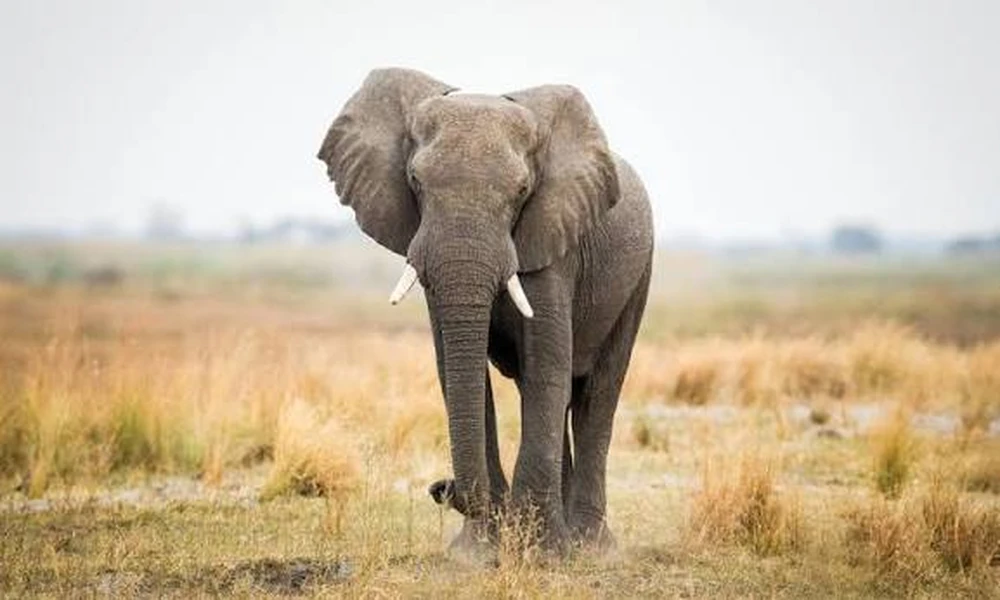
Most visitors judge an elephant experience by what they got to do: how close they stood, what they touched, which photo came home with them. A better test runs the other way. Watch what the elephants are doing, and ask whether any of it is for the visitor’s benefit. That one question separates a genuine refuge from a dressed-up camp more reliably than a star rating, and it is the fairest way to think about the best elephant sanctuary in thailand.
Look at the Ground Before the Elephants
Space comes first, because elephants need a lot of it. In the wild they spend much of the day walking and foraging, so an animal kept in a small dirt yard has little chance to behave like an elephant, however kind the staff are.
Samui Elephant Haven covers 60 rai, a little over 23 acres, in the north of Koh Samui. The land includes jungle-covered hills, natural lakes, and man-made pools, and the elephants move across it freely.
When reading about any sanctuary, look past the close-up photos to the wide shots. Trees, slopes, water, and mud tell you more than a smiling selfie.
No Riding, No Bathing, No Shows
The sanctuary works by three plain rules:
- No riding. An elephant’s size doesn’t mean its back is built to carry people. Many of the animals here spent years doing exactly that in trekking camps.
- No bathing. Elephants aren’t made to get into the water several times a day for visitors, because a schedule like that has nothing to do with their own habits.
- No entertaining. There are no tricks, painting demonstrations, or posed photo sessions.
The second rule surprises people, since bathing is often promoted as the gentle alternative to riding. The idea behind the ban is simple: if the activity only happens because tourists paid for it, it doesn’t belong.
Guides fill in the background: each elephant’s name, where it came from, and what it still struggles with. Travellers searching for the best elephant sanctuary in thailand often end up valuing this part most, because the stories turn a group of large animals into individuals with histories. If a guide can’t tell those stories, that is worth noticing.
A Short Checklist Before Booking
These questions work for any sanctuary, not just this one:
- Are the elephants free of chains during the visit? Restraint used to keep animals in place for photos is a clear warning sign.
- Is riding offered anywhere on site, even briefly? A “short ride” option means the camp’s habits haven’t changed.
- Do visitors get into the water with the elephants? If bathing is the main event, the elephants’ day is being shaped around tourists.
- Can the guides tell you each elephant’s history? Real rescue work comes with real, specific stories.
- Is the land large enough for the animals to roam? Look for hills, trees, and water, not fenced yards.
Where the Herd Came From
The Koh Samui herd is made up of 14 rescued elephants, each with a different past. Some spent years in trekking camps, carrying tourists along jungle trails. Others came from the logging industry, where the work was heavy and the days were long. The sanctuary describes its approach in three words: love over profit.