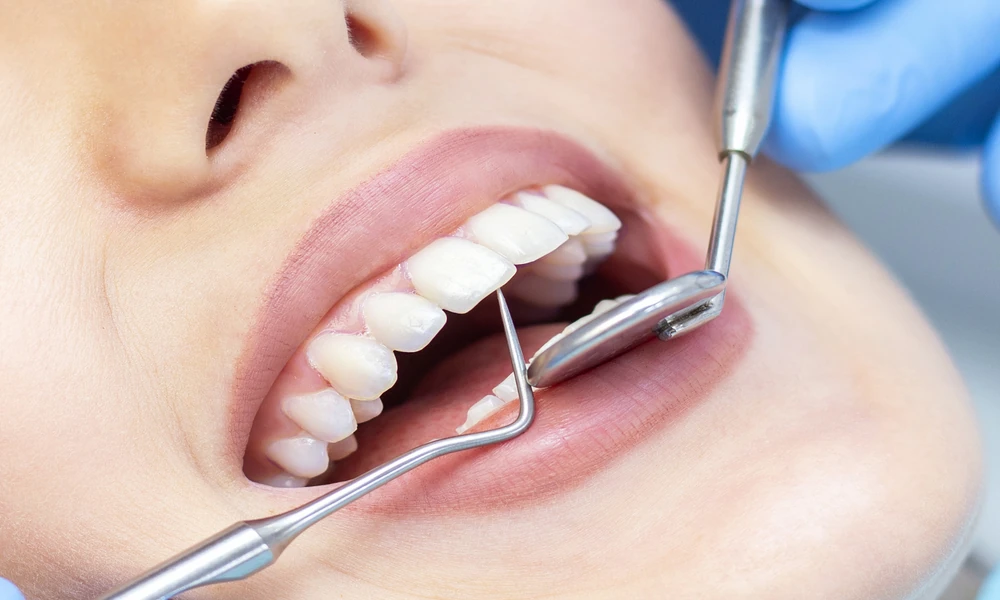
You brush, you floss when you can, and you try not to ignore that little bit of sensitivity when cold water hits the wrong tooth. Life gets busy, dental care slips down the list, and then one small issue turns into a problem that costs time, money, and comfort. That is how oral health often goes, especially when more advanced solutions like dental implants in Torrance, CA become part of the conversation. It rarely falls apart all at once. It changes slowly, then suddenly feels urgent.
General and restorative dentists help stop that slide early. They look for wear, decay, gum changes, bite problems, and damage that can quietly build over years. The goal is not just fixing a tooth that hurts today. It is protecting how your mouth functions five, ten, or twenty years from now. That is the real value of general and restorative dentistry. It keeps small problems small and gives damaged teeth a fair chance to last.
Preventive dental care catches damage before it spreads
A cavity does not stay a cavity for long if it is ignored. Plaque hardens, enamel weakens, and bacteria move deeper into the tooth. What could have been a simple filling can turn into a crown, root canal, or extraction. You may not feel much at first, which is part of the problem. A lot of oral disease is quiet in the beginning.
Routine exams and cleanings give dentists a chance to find issues before they become expensive or painful. They check for decay, cracked fillings, early gum inflammation, and signs of grinding or acid wear. Professional cleanings also remove tartar that brushing cannot lift at home. The CDC shares practical oral health tips for adults that support this daily prevention work, but home care and office care do different jobs. You need both.
Restorative treatment protects tooth structure and daily function
When a tooth is damaged, restoring it is about more than appearance. A worn or broken tooth changes how you chew. A missing tooth can shift pressure onto nearby teeth. That can lead to cracks, jaw soreness, and uneven wear that keeps building over time.
Fillings, crowns, bonding, and other restorative treatments help preserve the structure you still have. That matters because every natural tooth supports the balance of your bite. If you have ever chewed on one side because the other side hurt, you already know how quickly one sore area affects the whole mouth. A general dentist looks at that chain reaction and works to stop it.
This is where people often wait too long. They think, “It only bothers me sometimes.” Intermittent pain is still a warning sign. So is food getting stuck between teeth, a crown that feels loose, or a filling that suddenly feels rough. Those are not minor annoyances. They are often the early signs that a tooth needs support before it fails.
Gum disease treatment helps preserve bone and prevent tooth loss
Gums do a quiet job, so they are easy to overlook. When they are inflamed or infected, the risk goes far beyond bleeding when you brush. Gum disease can damage the tissue and bone that hold your teeth in place. Once bone is lost, rebuilding long term stability becomes harder and more expensive.
Early gum disease may look like tenderness, swelling, bad breath, or pink in the sink when you floss. Many people brush harder, hoping that will fix it, but the issue is not weak brushing. It is bacterial buildup below the gumline. The CDC explains the basics of gum and periodontal disease, including how common it is and why early care matters.
General and restorative dentists monitor gum pockets, recession, and inflammation during regular visits. When they treat these changes early, they help protect the support system under every tooth. That is a major part of long term oral health.
Ongoing oral hygiene guidance strengthens what you do at home
Most people are not looking for a lecture. They want to know whether what they are doing is enough. Sometimes it is not about effort. It is about technique, timing, or using the wrong tools for your mouth. Sensitive gums, crowded teeth, dry mouth, and dental work like crowns or bridges all change how you should clean your teeth.
That is why personalized guidance matters. The National Institute of Dental and Craniofacial Research offers clear advice on oral hygiene habits, but your dentist can tailor those basics to your specific risks. If you grind your teeth, snack often, take medications that reduce saliva, or have a history of decay, your plan may need to be more targeted than standard brushing and flossing advice.
Cosmetic and restorative planning can prevent future damage
People often separate cosmetic care from health care, but the line is not always clean. If chipped teeth are left rough, they can wear more. If bite alignment is off, cosmetic wear may also be functional wear. A general and cosmetic dentist may recommend reshaping, bonding, crowns, or other treatment not just to improve appearance, but to reduce stress on teeth and help them last longer.
That is one reason long term planning matters. A quick fix that looks fine today may not hold up if the bite underneath is unstable. Good dentistry protects both form and function.
Home care and professional care work best together
| Concern | Home Care Helps With | Professional Dental Care Helps With |
|---|---|---|
| Plaque buildup | Daily brushing and flossing reduce soft plaque | Cleanings remove hardened tartar that home tools cannot remove |
| Early cavities | Fluoride toothpaste and diet changes lower risk | Exams and X rays find decay before it becomes painful |
| Gum inflammation | Consistent flossing and gentle brushing help control bacteria | Periodontal evaluation and treatment address deeper infection |
| Cracks and worn teeth | Avoiding ice chewing and hard foods may reduce stress | Fillings, crowns, and bite checks protect damaged teeth |
| Long term tooth loss risk | Healthy routines lower daily damage | Restorative dentistry addresses structural problems before teeth fail |
Simple steps can protect your oral health starting now
Schedule care before pain forces the issue. If it has been a while since your last exam or cleaning, book a visit now. Waiting for pain usually means the problem has advanced.
Pay attention to small changes. Bleeding gums, sensitivity, rough fillings, bad breath, and shifting bite patterns all deserve attention. Those details often tell the story early.
Build a routine you will actually keep. Brush twice a day with fluoride toothpaste, clean between your teeth daily, and ask your dentist whether your mouth needs extra support such as fluoride treatment, a night guard, or more frequent cleanings.
Long term oral health is usually protected in ordinary moments. A cleaning kept on the calendar. A cracked tooth repaired before it breaks. Gums treated before bone is lost. These are the quiet ways dentists help you keep your teeth working, feeling, and looking better over time. If you have been putting off care, now is a good time to schedule a visit with a dentist and get a clear plan for what your mouth needs next.