You finally got through treatment, and now your mouth feels different. Maybe your gums are tender, your teeth feel a little strange when you bite down, or you keep wondering if every twinge means something is wrong. That uneasy feeling is common after gum treatment, and your periodontist in West Los Angeles can help you understand what is normal during recovery. Your gums are healing, and the way you care for them in the next few days and weeks can shape how well that healing goes.
Good aftercare is not complicated, but it does require consistency. The goal is simple. Protect the treated areas, keep plaque under control, and avoid habits that slow healing. If you have been looking for clear gum care after periodontal treatment, these six tips can help you stay comfortable and lower the chance of setbacks.
Healing after periodontal therapy depends on daily habits
Periodontal therapy treats infection and inflammation around the teeth, but it does not make gum disease disappear forever. Gum disease can come back if plaque builds up again, which is why home care matters so much after treatment. The CDC explains periodontal disease as a common condition that can damage the tissues and bone that support your teeth. That damage often starts quietly, which is part of what makes follow-up care so easy to put off.
You might feel tempted to brush less because your gums are sore. You might also think one missed cleaning or one skipped rinse will not matter. That is usually how small problems turn into bleeding, swelling, bad breath, and deeper pockets around the teeth. A periodontist can treat active disease, but your day to day routine helps keep that treatment working.
Tip 1 keeps your mouth clean without disturbing healing gums
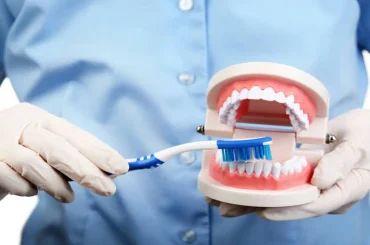
Brush gently with a soft bristled toothbrush, especially near treated areas. Use small strokes and do not scrub. If your periodontist recommended a special toothbrush or technique, follow that plan closely. Clean teeth heal better because they are not sitting under a film of bacteria.
Flossing may need to be adjusted for a short time, depending on the type of therapy you had. If you had scaling and root planing, you may be able to clean between teeth carefully right away. If you had surgery, you may need to wait or use another tool. Follow the instructions you were given, even if they feel stricter than your normal routine.
Tip 2 lowers irritation by choosing soft foods and enough water
Your gums need a break from hard, crunchy, spicy, or very hot foods right after treatment. Soft meals like yogurt, eggs, soup, oatmeal, mashed vegetables, and smoothies are easier on healing tissue. Drinking water also helps wash away food particles and keeps your mouth from getting dry, which can make irritation feel worse.
What if you feel fine and want to go back to normal eating the same night. That is often when people end up chewing on a sore area and setting themselves back. A few days of softer choices can spare you a lot of discomfort.
Tip 3 protects results by avoiding tobacco and limiting alcohol
Tobacco slows healing and raises the risk of gum disease returning. Alcohol can also irritate tissues, especially if you are using a medicated rinse or taking pain medicine. If you smoke or use nicotine, this is one of the clearest times to cut back or stop. Your gums have a better chance to reattach and settle down when blood flow is not being restricted.
The National Institute of Dental and Craniofacial Research on gum disease notes that smoking is a major risk factor. If your treatment was expensive or time consuming, protecting that investment matters. A few avoided habits now can reduce the chance of needing more intensive care later.
Tip 4 uses rinses and medicines exactly as directed
If you were given a prescription rinse, antibiotic, or pain reliever, use it exactly as directed. Do not stop early because you feel better. Do not double up because you feel sore. Mouth rinses can help control bacteria, but overusing the wrong product can irritate tissue or stain teeth.
This is where many people try to improvise. They switch products, add strong over the counter rinses, or use home remedies that sting. Healing gums do not need harsh treatment. They need calm, steady care.
Tip 5 pays attention to warning signs instead of waiting them out
Some bleeding, tenderness, and mild swelling can be normal after therapy. Heavy bleeding, worsening pain, pus, fever, or swelling that gets bigger is not something to ignore. A bad taste that does not go away or teeth that suddenly feel much looser also deserve a call.
People often wait because they do not want to overreact. That hesitation is understandable, especially if you have already spent time and money on treatment. Still, catching a problem early is usually easier and less costly than dealing with an infection that has had time to spread.
Tip 6 keeps follow up visits with your periodontist on schedule
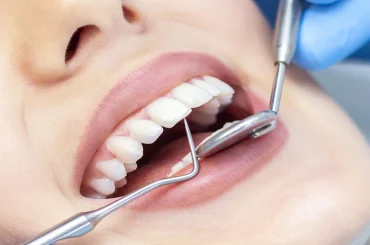
One of the best tips for gum healing after therapy is also the easiest to skip. Show up for your follow up and maintenance visits. These appointments let your provider measure pockets, check healing, remove buildup in areas you cannot reach at home, and catch signs of return disease early.
The NIDCR guide to oral hygiene supports the basics that protect your gums long term, including brushing, cleaning between teeth, and keeping regular dental care. If you have a history of periodontal disease, maintenance is not optional. It is part of treatment.
Home care and professional care work best together
| Approach | What It Helps With | Limitations |
|---|---|---|
| Careful brushing and interdental cleaning at home | Reduces plaque every day, supports healing, freshens breath | Cannot remove hardened tartar below the gums |
| Soft diet, hydration, and avoiding tobacco | Lowers irritation and supports tissue repair | Does not treat infection on its own |
| Professional periodontal maintenance | Removes buildup in deeper areas, checks pocket depth, monitors relapse | Works best when paired with steady home care |
Three steps you can take today after periodontal therapy
Build a simple two minute routine. Use a soft toothbrush morning and night, and follow any special cleaning instructions you were given. Keep it gentle and consistent.
Set up your food and medicine plan. Choose a few soft meals for the next couple of days, drink more water, and place your rinse or medication somewhere you will not forget it.
Watch for changes and keep your next visit. If pain, swelling, or bleeding gets worse instead of better, contact your dental office. Put your follow up appointment in your calendar before life gets in the way.
Healing after periodontal therapy aftercare can feel uncertain at first, but most of the right moves are small and manageable. Be gentle with your gums, stay consistent, and do not ignore changes that concern you. If you need guidance about your recovery or ongoing care from a periodontist, reach out to your dental office and schedule your next check in.